Homeowners · 7 min read
Build a Casita (ADU) in San Antonio: What Homeowners Should Know
San Antonio Property Pro
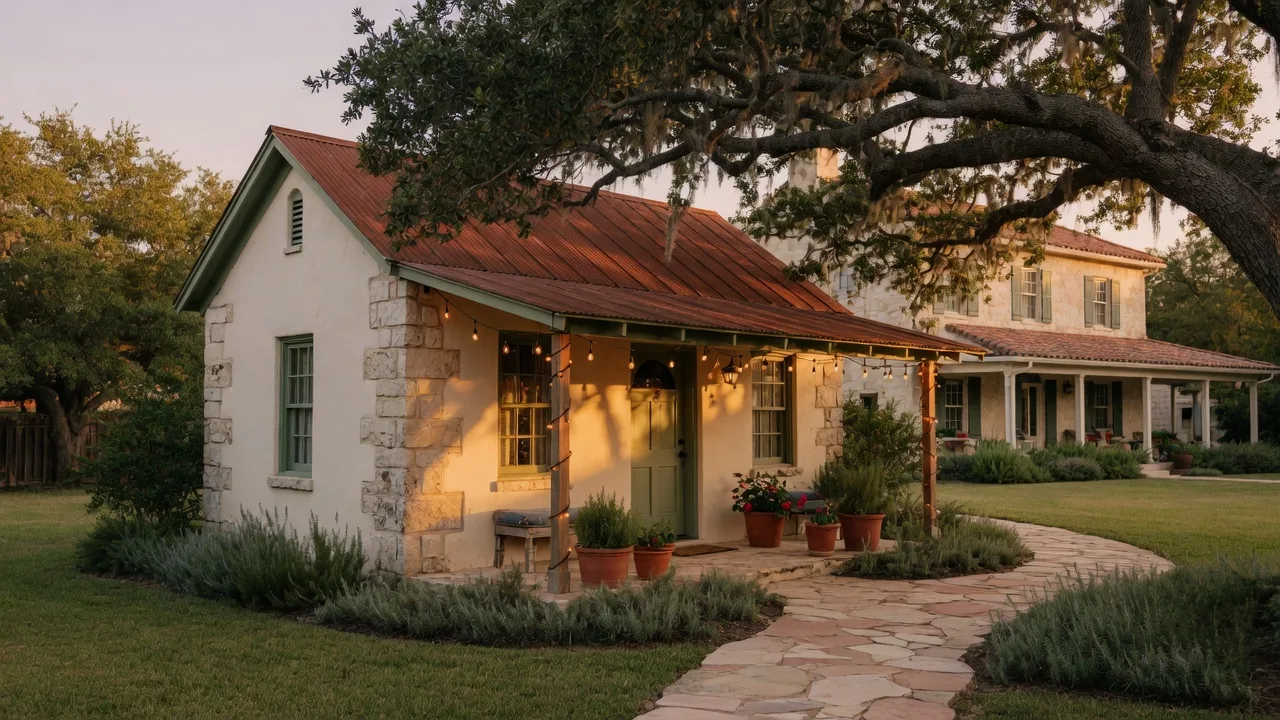
Atlas image · Homeowners
Since the start of 2023, San Antonio has let homeowners add an accessory dwelling unit, the casita, to almost any single-family lot by right. That is a real opportunity: a rental that helps carry the mortgage, a private space for family, or a home office that outlasts the trend. But the rules are specific, the permits are real, and on our expansive clay the construction details matter just as much as the zoning. Here is what I tell homeowners who are thinking about building one.
The city said yes to casitas, with rules
In November 2022 the San Antonio City Council approved sweeping changes to the city's Unified Development Code, and they took effect at the start of 2023. Before that, an ADU was capped at 800 square feet and the rules made them hard to fit on a typical lot. Now the math is friendlier: an accessory dwelling can be up to 800 square feet or 50 percent of the main house's gross floor area, whichever is larger, with an absolute cap of 1,600 square feet. In plain terms, almost every single-family lot can build at least an 800-square-foot casita, and a bigger main house earns the right to a bigger unit. One casita per lot, and it goes in the rear yard.
Size, setbacks, and the parking rule
The size rules are the headline, but the details decide whether a casita fits your lot. A detached unit needs a five-foot side and rear setback, and it can rise no higher than 25 feet or two stories. It must have its own bedroom, bathroom, and kitchen or kitchenette, plus a separate entrance from the main house. Here is the parking detail people miss: you only need one dedicated off-street parking space if the casita is over 800 square feet. Keep it at or under 800 and you avoid that requirement entirely, which matters on the tight, older lots closer to downtown.
The owner-occupancy rule is not negotiable
San Antonio's citywide rules require the property owner to live on site, either in the main house or in the casita, and you file a residency affidavit as part of the process. That makes the classic move a good one: live in the big house and rent the casita, or live in the casita while the main house pays its own way. What it rules out is building a casita as a pure off-site rental on a property you do not live on, at least without the lot being zoned for more than one dwelling. If a purely rented unit is the goal, we talk about the right zoning and the right neighborhoods for it before you spend a dollar on plans.
Where the design review shows up
In most of San Antonio, a casita moves through the normal building process. In the historic districts, King William, Monte Vista, Lavaca, Government Hill, and the others, and on individually designated landmarks, it is a different story. There, exterior construction needs a Certificate of Appropriateness, and the project is reviewed by the city's Office of Historic Preservation and the Historic and Design Review Commission, which holds public hearings. That does not mean no casita, it means a casita that respects the neighborhood's character, and it adds time to the schedule. If your lot is in a historic district, budget for the review before you commit to a move-in date.
The permits and the honest budget
Everything runs through the city's BuildSA online portal with a Residential Building Permit Application, and you mark the unit as an accessory dwelling on the form. Plan on several thousand dollars in permit and plan-review fees, and remember the construction still needs the usual electrical, plumbing, and mechanical inspections on top of the structural ones. A genuinely useful piece of news: the city publishes free permit-ready ADU floor plans, so if a standard layout works for your lot you can skip a chunk of the design cost. Pull the actual fee schedule for your address before you budget, because the number depends on the size and scope you choose.
The construction details I check as an inspector
This is where my inspector side kicks in. San Antonio sits on expansive clay, and a casita is a slab on the same dirt as the main house, so the site prep has to be just as careful. The drainage has to run away from the new slab, never toward it, and the grade has to be settled before concrete goes down, not after. The foundation type, slab on grade or something deeper, should be chosen for the soil conditions on your exact lot, and if the casita has its own utility connections, separate meters and bills keep the rental numbers clean and the tax picture honest. A casita is only a good investment if the ground under it was done right the first time.
Paying for it, and what it does to the value
People pay for a casita a few different ways: a cash-out refinance on the main house, a home equity line, or a dedicated construction loan. Because it is an improvement to a property you own, the financing often rides on the equity you already have. On the value side, a permitted casita is real square footage and real rental income, so it can raise the appraised value and the market value of the property, which is part of the appeal. Just remember the flip side: more value can mean a higher tax bill, and rental income has tax implications, so run the plan by a tax professional and your lender before you pour concrete.
The bottom line
A casita is one of the best ways a San Antonio homeowner can add both living space and income to a lot they already own. The city has made it legal by right, the 800-square-foot threshold avoids the parking rule, the owner-occupancy requirement shapes how you use it, and the historic districts add a design step. Do the zoning homework, budget the permits honestly, and build the slab right, and a casita can pay for itself while your property gains value. Skip any one of those steps and the surprise finds you at the inspection or the tax bill instead.
About the author: Chris Schmeis is a San Antonio real estate agent and investor with eXp Realty, a Certified Professional Real Estate Inspector in Texas, and an owner of multiple investment properties and land holdings. He writes this blog to give clients the plain-talk version of the numbers that matter.
Thinking about a casita on your San Antonio lot? Text or call me, Chris at eXp Realty, and I will help you check the zoning on your exact address, size the unit, and line up the inspections before you break ground.
Let's run the numbersWritten by San Antonio Property Pro
Local San Antonio real estate guidance for buyers, sellers, and investors. The details above are general information, and your specific street always deserves a specific look.
Keep reading
All insightsBuying · 8 min
Alamo Heights Homes for Sale, Street by Street
Alamo Heights homes for sale sit on oak-canopied streets with a school district that sells itself. Here is the street-by-street guide to prices, blocks, and what buyers actually pay.
Read
Buying · 8 min
Buying New Construction in San Antonio: The Fine Print Before You Sign
New builds are everywhere across Bexar County right now, and builders are competing hard for buyers. Here is what actually matters in the contract: base price vs. final price, incentives with strings, inspections, warranties, and the tax bill that arrives with the keys.
Read