Buying · 7 min read
Buying your first home in San Antonio: a plain-language timeline
San Antonio Property Pro
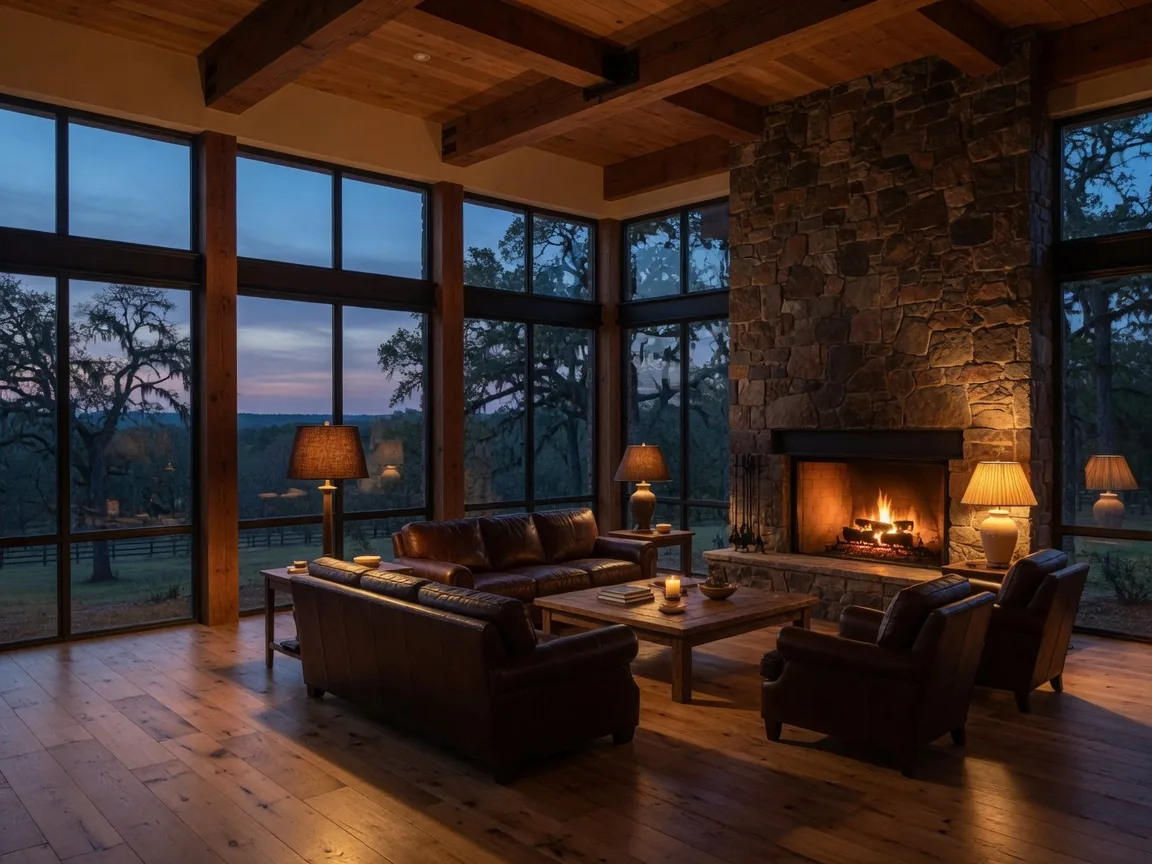
Atlas image · Buying
Buying a first home in San Antonio usually pencils out to a lot of small, sequential steps: one bank conversation, a few Saturdays of touring, one offer, one inspection. If you know what comes next at every stage, the process feels deliberate instead of chaotic. This is the timeline I walk first-time buyers through, adapted for the current Alamo City market.
Step 1: Know your real budget
Before a single tour, sit down with your full monthly picture: take-home pay, debts, savings, and what you can put down. A lender turns that into a pre-approval, and the pre-approval number, not a wish, becomes your touring budget. With San Antonio's median sale price around $265K, plenty of first homes are genuinely reachable, but only within a real monthly payment, so run the number honestly first.
Step 2: Pick the commute before the house
San Antonio is a driving city with walkable gems, and the house that fits the commute fits the life. Test-drive the morning routes to work and school from the shortlist neighborhoods: north on 281, west on I-10, or straight down Broadway. A great house on the wrong commute stops feeling great by the second week.
Step 3: Tour with a strategy
Touring is research, not a shopping spree. Compare each home against the list: foundation, roof age, water damage signs, HVAC vintage, drainage around the slab. Take pictures and notes for every property and be ready to say no quickly, because the market rewards readiness.
Step 4: Make an offer built on closed sales
An offer is a number and a set of terms, and both should come from recent closed sales on comparable streets, not from the asking price or gut feel. In the current cycle homes average about 60 days on the market and roughly one offer, which means a sane, well-timed offer has a real chance. Your agent's job is to make yours competitive without overpaying.
Step 5: Earnest money, financing, and the option period
Texas contracts typically include an earnest money deposit, a financing timeline, and an option period, days you pay for the right to do due diligence: inspections, surveys, HOA documents. This is the window that protects you, so a disciplined buyer uses every hour of it.
Step 6: Inspection and repair requests
The inspection surfaces what a touring eye cannot: electrical, plumbing, foundation, roof. Distinguish between maintenance and defects, get quotes for the big ones, and negotiate only the meaningful items. Most deals close with a short repair list and a fair handshake.
Step 7: Appraisal and the final loan package
The lender orders an appraisal to confirm the house matches the price you agreed on. If it comes in under the contract price, there are paths forward, and your lender and agent should walk them with you. In the meantime, title work runs in the background and the closing date gets locked.
Step 8: Closing day
Closing is paperwork plus keys. You will sign the settlement documents, wire the down payment, and the title company records the deed. From accepted offer to keys, a cash contract can close in weeks and a financed one in roughly 30 to 45 days. Then comes the good part: the first night in the new place, and a lot of Texas hill country to explore on weekends.
Written by San Antonio Property Pro
Local San Antonio real estate guidance for buyers, sellers, and investors. The details above are general information, and your specific street always deserves a specific look.
Keep reading
All insightsBuying · 8 min
Alamo Heights Homes for Sale, Street by Street
Alamo Heights homes for sale sit on oak-canopied streets with a school district that sells itself. Here is the street-by-street guide to prices, blocks, and what buyers actually pay.
Read
Homeowners · 7 min
Build a Casita (ADU) in San Antonio: What Homeowners Should Know
Since 2023 San Antonio has let homeowners add a casita to almost any single-family lot by right. Here is how the size rules, owner-occupancy rule, and permitting actually work, plus the construction details that matter on our clay soil.
Read